Core Handyman Services is a Chelmsford,handyman providing reliable property maintenance and home repair services across Chelmsford and the surrounding villages.

How to Match Varnish for Door Touch-Ups with Core Handyman Services, Chelmsford Handyman / Local Handyman.
Touch-Ups with Core Handyman Services, Chelmsford Handyman / Local Handyman.
J Dillon
9/2/20252 min read
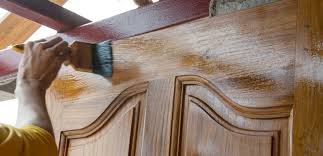
How to Match Varnish for Door Touch-Ups with Core Handyman Services, Chelmsford Handyman / Local Handyman.
Chelmsford Handyman’s Guide to Seamless Surface Repairs
When a door gets scuffed, scratched, or sun-faded, a full re-varnish isn’t always necessary. A well-matched touch-up can restore its look without disrupting the original finish. But matching varnish isn’t just about colour—it’s about sheen, texture, and compatibility.
At Core Handyman Services, I help clients achieve invisible repairs by selecting and applying varnish that blends perfectly with existing surfaces.
Why Matching Matters
Prevents patchy or uneven finishes
Maintains the door’s original character and tone
Avoids costly full-panel refinishing
Preserves timber integrity and weather protection
Step-by-Step: Matching Varnish Like a Pro
1. Assess the Existing Finish
Start by identifying:
Sheen level – matte, satin, semi-gloss, or gloss
Colour tone – warm oak, cool pine, rich mahogany, etc.
Base type – oil-based, water-based, or hybrid
Use a torch or natural light to check how the surface reflects and absorbs light.
2. Test Small Samples
Apply test patches on hidden areas (like the bottom edge or hinge recess) using:
Tinted varnish samples
Clear varnish over stain
Layered applications to match depth
Let each sample cure fully before judging the result.
3. Blend with Care
Once the match is confirmed:
Lightly sand the damaged area with fine grit
Apply varnish in thin layers, feathering the edges
Use a soft brush or lint-free cloth for smooth application
Allow full curing before assessing final blend
Tools and Products I Trust
Liberon and Ronseal for tinted varnishes with good durability
Osmo Polyx-Oil for natural wood tones and subtle sheen
Water-based satin finishes for quick drying and low odour
I also source from local suppliers when clients need a specific tone or finish not available off the shelf.
Real Job Example
A recent job in Writtle involved a front door with sun-faded patches near the handle. The original varnish had a warm satin oak tone. I tested three blends, selected a water-based satin with a slight amber tint, and feathered it into the surrounding area. The result? A seamless finish that matched perfectly—and the client couldn’t spot the repair even up close.
Small Touch, Big Impact
Matching varnish isn’t just cosmetic—it’s a mark of craftsmanship. With the right approach, even minor touch-ups can restore pride in a home’s appearance.