Core Handyman Services is a Chelmsford,handyman providing reliable property maintenance and home repair services across Chelmsford and the surrounding villages.

Core Handyman Services – Why Sealant Fails Around Baths and Sinks, Advice From a Local Chelmsford Handyman
Local Chelmsford Handyman
JD
2/6/20262 min read
Core Handyman Services – Why Sealant Fails Around Baths and Sinks, Advice From a Local Chelmsford Handyman
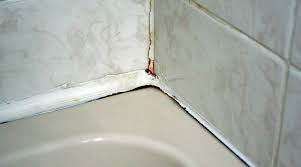
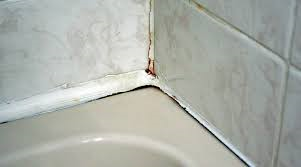
Failed sealant around baths, showers, and sinks is one of the most common maintenance issues seen in Chelmsford homes. It often starts as a small gap or discolouration and gradually develops into water ingress, staining, or mould.
Although sealant looks simple, it often fails because the conditions underneath haven’t been addressed properly.
Sealant Is Not a Structural Fix
Silicone and sanitary sealants are designed to flex and seal — not to compensate for movement, poor fitting, or uneven surfaces. When sealant is applied over gaps that are too large or surfaces that haven’t been prepared, failure is almost inevitable.
In many cases, repeated re-sealing doesn’t work because the underlying issue remains.
Common Reasons Sealant Breaks Down
Sealant failure is usually caused by one or more of the following:
Movement between the bath, tray, or sink and the wall
Old sealant not being fully removed before reapplication
Surfaces that were damp or dirty at the time of sealing
Gaps that are too wide for sealant alone
Bathrooms experience regular temperature and moisture changes, which makes correct preparation essential.
Why Removing Old Sealant Properly Matters
Applying new sealant over old material rarely lasts. Old sealant often leaves residue that prevents proper adhesion, even if it looks clean on the surface.
For a lasting result, all old sealant needs to be removed fully before new material is applied. This allows the new sealant to bond correctly and flex as intended.
Baths and Trays That Move Slightly
Even a small amount of movement can cause sealant to split. This is particularly common where baths or shower trays are not fully supported or where floors flex slightly.
In these situations, sealing alone won’t solve the problem. Movement needs to be reduced first before resealing, otherwise the issue will keep returning.
Mould and Staining Around Sealant
Black mould around sealant is often a sign that moisture is sitting behind it rather than on the surface. Cleaning alone may improve appearance temporarily, but it doesn’t resolve the cause.
Replacing failed sealant correctly helps prevent moisture becoming trapped and reduces the likelihood of mould returning.
Why Sealant Repairs Shouldn’t Be Rushed
Rushing sealant work — especially without allowing surfaces to dry properly — often leads to early failure. Taking the time to prepare, dry, and apply sealant correctly produces a cleaner finish and a longer-lasting result.
Local Chelmsford Handyman for Bathroom Maintenance
Core Handyman Services carries out sealant replacement and bathroom maintenance across Chelmsford and surrounding areas. Each job is assessed to identify why sealant has failed and whether additional steps are needed to prevent repeat problems.
If sealant around a bath, shower, or sink is cracking, lifting, or showing signs of mould, addressing it early can prevent further damage.
Contact Core Handyman Services, your trusted local Chelmsford handyman, for advice or a quote.