Core Handyman Services is a Chelmsford,handyman providing reliable property maintenance and home repair services across Chelmsford and the surrounding villages.

Core Handyman Service | Chelmsford Handyman, Local Handyman Guide to Painting Windows for a Professional Finish
Core Handyman Service | Chelmsford Handyman, Local Handyman Guide to Painting
JD
10/29/20252 min read
Core Handyman Service | Chelmsford Handyman, Local Handyman Guide to Painting Windows for a Professional Finish
Painting windows is a task that demands precision, patience, and the right materials. Whether refreshing timber frames or updating uPVC trims, a Local Handyman working across Chelmsford must approach each job with a clear understanding of surface preparation, product compatibility, and environmental factors. This guide from Core Handyman Service outlines best practices for painting windows to achieve a durable, clean finish that enhances both appearance and longevity.
Why Window Painting Requires Specialist Attention
Windows are exposed to fluctuating temperatures, moisture, and UV light. A Chelmsford Handyman often encounters peeling paint, swollen timber, or faded finishes—especially on older properties. Proper painting not only improves aesthetics but also protects against rot, corrosion, and long-term damage.
Step-by-Step Process for Painting Windows
Inspection and Preparation
Check for signs of rot, flaking paint, or sealant failure.
Remove loose paint using a scraper and sand down rough areas.
Clean thoroughly to remove dirt, mould, and grease.
Masking and Protection
Use painter’s tape to protect glass edges and surrounding masonry.
Cover sills and floors with dust sheets to prevent drips.
Priming
Apply a suitable primer based on frame material:
Timber: Use knotting solution followed by wood primer.
Metal: Apply rust-inhibiting primer.
uPVC: Use adhesion-promoting primer if painting is necessary.
Choosing the Right Paint
For external windows, use weather-resistant gloss or satin paint.
For internal frames, water-based acrylics offer low odour and fast drying.
Select paints with UV protection to prevent fading.
Application Technique
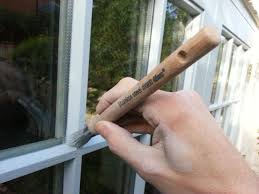
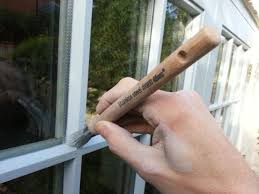
Use angled sash brushes for clean lines along glazing bars.
Apply thin, even coats—typically two to three layers.
Allow full drying time between coats to prevent tackiness.
Finishing Touches
Remove masking tape before the final coat fully cures to avoid tearing.
Inspect for missed spots or uneven coverage and touch up as needed.
Common Mistakes to Avoid
Painting over damp or unprepared surfaces.
Using interior-grade paint on external frames.
Neglecting primer, leading to poor adhesion and early failure.
Rushing drying times, especially in cold or humid conditions.
Product Selection Tips from Core Handyman Service
Use trade-grade paints such as Dulux Trade Weathershield or Zinsser AllCoat for reliable performance.
Choose brushes with synthetic bristles for water-based paints and natural bristles for oil-based finishes.
Store paints and primers at room temperature to maintain consistency.