Core Handyman Services is a Chelmsford,handyman providing reliable property maintenance and home repair services across Chelmsford and the surrounding villages.

Core Handyman Service | Chelmsford Handyman, Local Handyman Guide to Installing a Floating Shelf That Stays Put
Core Handyman Service | Chelmsford Handyman, Local Handyman
JD
10/6/20252 min read
Core Handyman Service | Chelmsford Handyman, Local Handyman Guide to Installing a Floating Shelf That Stays Put
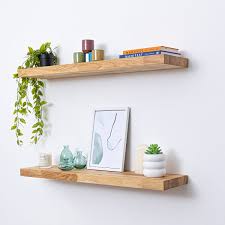
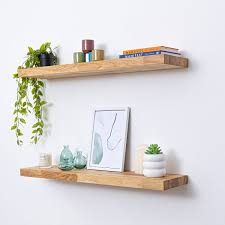
Floating shelves offer clean lines and practical storage without visible brackets. Whether used for books, ornaments, or kitchen essentials, a properly installed floating shelf must remain secure over time. For homeowners in Chelmsford and surrounding areas, correct installation is essential to avoid sagging, movement, or wall damage. This guide from Core Handyman outlines how a Local Handyman ensures floating shelves stay put—using reliable fixings and proven techniques.
Why Floating Shelf Stability Matters
A floating shelf that shifts or loosens over time can damage plasterboard, compromise safety, and reduce load capacity. Common causes of shelf failure include:
Inadequate wall fixings
Poor alignment with studs or solid substrate
Overloading beyond rated capacity
Incorrect bracket installation
Use of unsuitable tools or materials
Understanding the wall type and load requirements is the first step in achieving a secure, long-lasting result.
Wall Types and Fixing Choices
1. Plasterboard Walls
Use heavy-duty plasterboard fixings such as metal hollow wall anchors or spring toggles. Avoid plastic plugs, which can pull out under load.
2. Dot-and-Dab Walls
Identify solid contact points behind the plasterboard. Use long fixings that reach the masonry, such as frame fixings or specialist dot-and-dab anchors.
3. Solid Masonry Walls
Standard wall plugs and screws may suffice, but wide-head screws or shield anchors offer greater grip for heavier shelves.
4. Timber Stud Walls
Locate studs using a reliable wall detector. Fix brackets directly into the timber using wood screws with sufficient depth.
Installation Tips from a Chelmsford Handyman
Use a spirit level to mark bracket positions before drilling
Pre-drill holes to avoid cracking plaster or brick
Confirm bracket alignment before final tightening
Apply firm pressure when seating the shelf to engage locking mechanisms
Avoid over-tightening, which can strip fixings or damage the wall
Load Considerations
Check the manufacturer’s load rating and consider the weight of items to be placed on the shelf. For heavier loads, consider:
Reinforced brackets with concealed supports
Dual-fixing points into masonry or timber
Use of adhesive in addition to mechanical fixings (where appropriate)
Core Handyman Recommendations for Floating Shelf Installation
Core Handyman provides floating shelf installation services across Chelmsford and surrounding areas. As a Local Handyman, solutions are tailored to wall type, shelf design, and intended use. Every installation is completed with attention to alignment, fixing strength, and long-term stability.