Core Handyman Services is a Chelmsford,handyman providing reliable property maintenance and home repair services across Chelmsford and the surrounding villages.

Choosing the Right Sealants for Outdoor Repairs with Core Handyman Services, Chelmsford Handyman / Local Handyman
Outdoor Repairs with Core Handyman Services, Chelmsford Handyman / Local Handyman
J Dillon
9/1/20252 min read
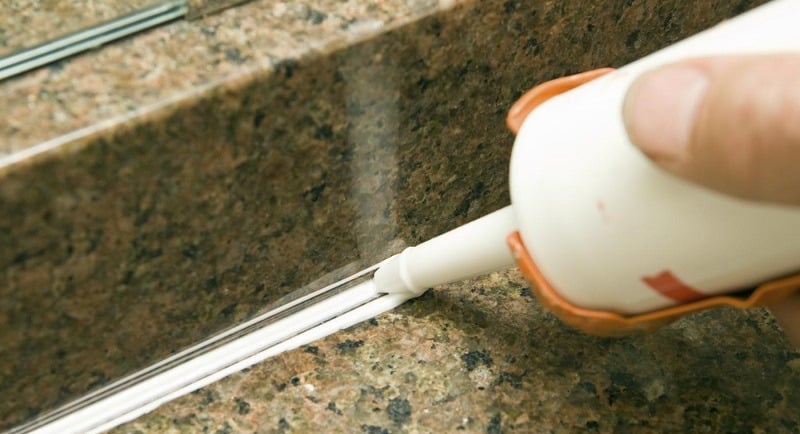
Choosing the Right Sealants for Outdoor Repairs with Core Handyman Services, Chelmsford Handyman / Local Handyman
Chelmsford Handyman Advice for Long-Lasting Exterior Fixes
Outdoor repairs demand more than just elbow grease—they require materials that can withstand the elements. Whether sealing around windows, repairing garden gates, or protecting timber joints, the right sealant makes the difference between a short-term patch and a long-term solution.
Core Handyman Services provides expert guidance on selecting and applying sealants that hold up in Chelmsford’s variable climate. Here’s what homeowners need to know.
Why Sealant Choice Matters
Prevents water ingress and damp
Protects timber, metal, and masonry from rot and corrosion
Improves energy efficiency by sealing draughts
Extends the life of outdoor fixtures and finishes
Types of Sealants and Their Uses
1. Silicone Sealants
Best for non-porous surfaces like glass, PVC, and metal. Flexible and waterproof, ideal for sealing around windows and doors.
Use neutral-cure silicone for painted surfaces
Avoid acetoxy silicone on metal—it can cause corrosion
2. Polyurethane Sealants
Highly durable and paintable. Excellent adhesion to wood, concrete, and masonry.
Ideal for sealing timber joints, fence posts, and shed bases
Resistant to UV and weathering
3. Acrylic Sealants
Suitable for low-movement joints and interior/exterior use. Paintable but less flexible than silicone.
Use for small cracks in masonry or around door frames
Not recommended for high-moisture areas
4. Hybrid Polymer Sealants
Combines flexibility, adhesion, and paintability. Performs well across multiple surfaces.
Ideal for multi-material repairs
Often used in professional-grade exterior work
Application Tips for Lasting Results
Clean and dry the surface thoroughly before applying
Use masking tape for clean edges and remove before curing
Apply in mild weather—avoid rain or extreme heat during curing
Tool the sealant smoothly to ensure full contact and a neat finish
Real-World Example
A recent job in Danbury involved resealing the base of a timber shed that had started leaking after heavy rain. The original sealant had failed due to poor adhesion and UV exposure. I removed the old material, cleaned the joint, and applied a polyurethane sealant with high flexibility and weather resistance. The shed stayed dry through the next storm, and the customer left a 5-star review for the fast, effective fix.
Chelmsford’s Trusted Source for Exterior Repairs
Core Handyman Services offers tailored outdoor repair solutions using the right materials for each job. Whether sealing a gate post, repairing a window frame, or protecting exposed timber, every fix is built to last.